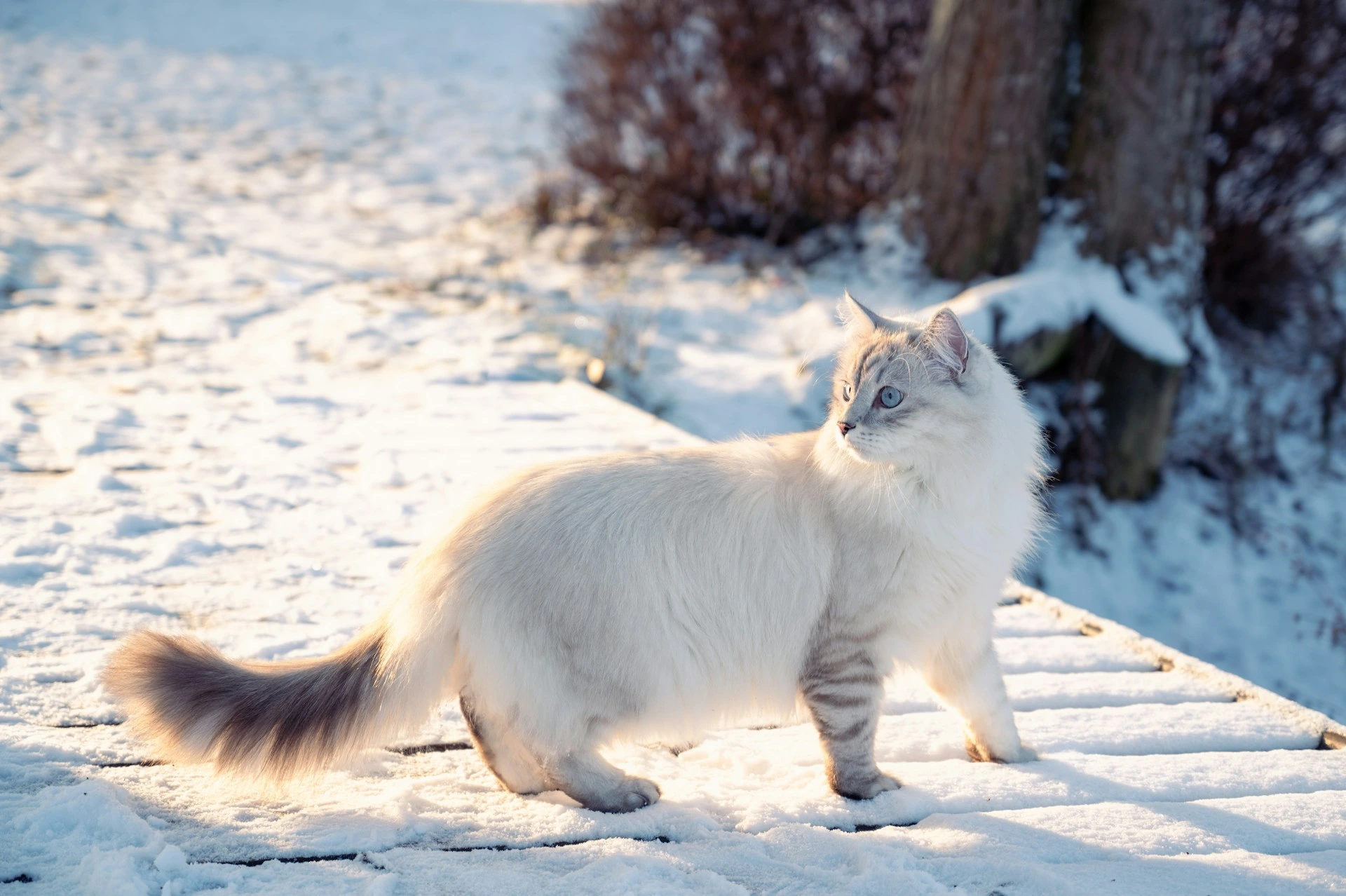
Has your feline friend stopped jumping onto the couch as often or started hesitating before climbing the stairs? At Animal Hospital of Ludington, your Ludington, MI, veterinary clinic, changes like these can sometimes indicate arthritis. Many cats become less active as they age, but slowing down is not always “just getting older.” Recognizing the signs of arthritis in cats early can help improve comfort, mobility, and overall quality of life.
Cats are experts at hiding pain, which makes the warning signs of feline arthritis easy to miss at first. Your kitty may continue eating, cuddling, and following normal routines while quietly dealing with stiff joints or discomfort. From subtle cat joint pain symptoms to more noticeable mobility problems in cats, understanding what to watch for can help your furry companion stay happier and more active during their senior years.
Arthritis Is More Common in Cats Than Many People Think
Arthritis develops when joints become inflamed, and cartilage gradually wears down over time. This condition can affect cats of all ages, but it becomes much more common in older felines.
Because cats naturally sleep a lot and tend to move gracefully even when uncomfortable, arthritis often goes unnoticed until mobility changes become more obvious. Your feline overlord may simply appear “less playful” or “more relaxed” when joint pain is actually limiting movement.
Arthritis commonly affects:
- Hips
- Knees
- Elbows
- Spine
- Shoulders
As time goes on, those sore joints can get even stiffer and more uncomfortable, especially after a good nap or when the weather turns chilly. (Michigan winters, anyone?)
Signs of Arthritis in Cats Can Be Very Subtle
Unlike our canine buddies, cats don’t usually put on a dramatic limp or let out a yowl when something hurts. Instead, they hide things as long as they can. That’s why arthritis tends to show up in little ways. Even tiny changes in how your kitty acts or moves can be significant.
Keeping an eye out for gradual changes in your cat’s daily routine can help you catch problems before they worsen.
Common Cat Joint Pain Symptoms
Some of the most common signs of arthritis in cats include:
- Jumping less frequently
- Hesitating before climbing
- Difficulty using stairs
- Sleeping more than usual
- Reduced grooming
- Irritability when touched
- Stiff walking
- Trouble getting into the litter box
- Avoiding high surfaces
- Decreased interest in play
Some kitties may even get a bit less social, simply because moving around isn’t as easy or comfy as it used to be.
If your usually adventurous furball suddenly prefers hanging out on the floor instead of scaling the cat tree or hopping up to their favorite windowsill, that could be an early sign that those joints need a little extra TLC.
Mobility Problems in Cats May Look Like “Normal Aging”
It’s easy to chalk up slowing down to ‘just getting older,’ but healthy senior cats should still be able to move around comfortably and enjoy their usual activities.
Mobility issues in cats tend to creep up slowly, which makes them easy to miss. Your clever kitty might just start changing how they get around the house to work around those sore spots.
Small Changes Can Reveal Joint Pain
Cats experiencing arthritis may:
- Jump onto lower surfaces instead of higher ones
- Take stairs more slowly
- Sleep in easier-to-reach areas
- Stop using climbing towers
- Hesitate before jumping
- Avoid slippery floors
Some cats might get a little extra grumpy or suddenly protest being picked up, since certain positions can make those achy joints feel worse.
Others may groom less effectively, resulting in a scruffy or matted coat along the back or hindquarters, where twisting becomes uncomfortable.
What Causes Arthritis in Cats?
Arthritis can develop for several reasons. Aging remains the most common factor, but injuries and body weight can also affect joint health.
Factors That Increase Arthritis Risk
Certain conditions may increase the likelihood of arthritis, including:
- Aging
- Previous injuries
- Obesity
- Joint abnormalities
- Repetitive strain
- Genetics
Carrying a few extra pounds puts more pressure on those already sensitive joints. Even a little bit of extra weight can make it tougher for your furry bestie to get around.
If your kitty has had a broken bone or joint injury in the past, they might be more likely to develop arthritis a bit earlier than most.
Senior Cats Face Higher Arthritis Risks
Senior kitties are especially at risk for joint changes, since cartilage naturally wears down as they age. When flexibility drops, even everyday movements can start to feel like a big effort.
Older cats can be pretty sneaky about hiding discomfort. Your feline companion might just quietly change up their routines instead of letting you know they’re hurting.
How Senior Cats Adapt to Arthritis
Cats commonly adapt by:
- Resting more frequently
- Choosing lower sleeping spots
- Avoiding energetic play
- Taking shorter jumps
- Moving more carefully
All these little changes can make it easy to mistake arthritis for just normal aging.
That’s why regular checkups are so important for senior cats. Those subtle aches and pains can fly under the radar for a long time if we’re not looking for them.
Arthritis Treatment for Senior Cats Can Improve Comfort
While we can’t turn back the clock on arthritis, the good news is that treatment can make a big difference in your kitty’s comfort and mobility. The sooner we start, the more active and happy your feline friend can stay.
Helping a senior cat with arthritis usually means making a few changes at home, giving them a little extra support, and working with your vet to keep them feeling their best.
Helpful Home Adjustments for Arthritic Cats
A few simple tweaks around the house can go a long way toward easing joint strain, like:
- Providing soft bedding
- Using ramps or pet stairs
- Keeping food and water easily accessible
- Offering low-entry litter boxes
- Adding rugs on slippery floors
- Creating warm resting areas
Cats love a cozy, predictable setup where they don’t have to leap tall buildings (or couches) in a single bound just to get around.
Weight Management Supports Joint Health
Keeping your kitty at a healthy weight is one of the best ways to take the pressure off those achy joints. Every extra pound adds more strain to their hips, knees, elbows, and spine.
Even a little bit of weight loss can help your cat move more easily and feel more comfortable.
Healthy Habits for Arthritic Cats
Helpful habits may include:
- Portion-controlled feeding
- Encouraging gentle movement
- Interactive play sessions
- Regular veterinary monitoring
- Easy access to essentials
Exercise is still important for cats with arthritis, but you’ll want to keep things gentle and low-impact as those joints get stiffer.
Short playtimes with wand toys or treat puzzles are a great way to get your kitty moving without overdoing it.
Cold Weather Can Affect Arthritic Cats
Those chilly Michigan winters can make stiff joints feel even stiffer for some cats. Cold weather tends to tighten things up and make moving around a bit tougher.
You might notice your kitty seeking out the warmest napping spots or moving a little slower when the temperature drops.
Keeping Arthritic Cats Comfortable During Winter
Helpful winter strategies include:
- Providing heated or insulated beds
- Reducing drafts near sleeping areas
- Encouraging gentle indoor activity
- Using soft blankets in favorite resting spaces
Even indoor cats can feel the effects of cold weather. Stiffness doesn’t care if your kitty is an indoor-only snuggler.
When Should You Schedule a Veterinary Visit?
If your feline friend is slowing down, acting differently, or just not moving like their usual self, it’s a good idea to have your vet take a look. Sometimes arthritis is the culprit, and catching it early can really help.
The sooner we spot arthritis, the sooner we can start helping your kitty feel better. It’s best to get Fluffy treated before things get too uncomfortable.
Signs Your Cat Should Be Examined
Schedule an appointment if your cat develops:
- Difficulty jumping
- Stiff walking
- Reduced grooming
- Litter box accidents
- Reluctance to play
- Changes in personality
- Hesitation using stairs
- Sensitivity when touched
Some cats are absolute pros at hiding discomfort, so even the smallest changes are worth checking out.
Helping Your Cat Stay Active and Comfortable
With a little extra support, arthritic cats can still live their best lives. Sometimes, just a few small changes can make a huge difference in your kitty’s daily comfort.
Gentle activity is great for keeping those muscles strong and joints flexible, and for keeping stiffness at bay.
Ways to Encourage Safe Movement
Low-impact activities may include:
- Interactive toys
- Food puzzles
- Gentle climbing options
- Short play sessions
- Easy-access window perches
Your feline pal doesn’t need to run a marathon to stay healthy. Encouraging a little light movement here and there can help keep them mobile and happy.
Learn all about feeding an arthritic cat on PetMD. PetMD also wrote about common illnesses in senior cats.
FAQ
What are the first signs of arthritis in cats?
Early signs often include jumping less, hesitation climbing stairs, reduced grooming, stiffness, sleeping more, or decreased interest in play.
At what age do cats develop arthritis?
Arthritis becomes more common in senior cats, but some felines develop joint changes earlier depending on genetics, injuries, or body weight.
Can indoor cats get arthritis?
Yes. Indoor cats can develop arthritis just like outdoor cats. Aging, obesity, and previous injuries may all contribute to joint changes.
How is arthritis diagnosed in cats?
Veterinarians evaluate mobility, joint flexibility, pain responses, and medical history. Imaging such as X-rays may also help confirm arthritis.
Can arthritis in cats be treated?
While arthritis cannot be cured, treatment can improve comfort, mobility, and quality of life through supportive care, weight management, environmental adjustments, and veterinary guidance.
Schedule a Visit at Our Ludington, MI Veterinary Clinic
Recognizing the signs of arthritis in cats early can help your feline companion stay more comfortable, active, and engaged throughout their senior years. Small mobility changes may seem minor at first, but addressing joint discomfort sooner can support better long-term quality of life.
Are you searching for a compassionate vet near me or a trusted veterinary clinic in Ludington, MI? Contact Animal Hospital of Ludington today to schedule a wellness exam for your kitty. Our veterinary team can help evaluate mobility concerns and discuss supportive care options for your furry bestie.
This blog is intended for informational purposes only. Always consult your veterinarian for medical advice, diagnosis, or treatment recommendations for your pet and follow their professional guidance.
If you would like to read more about our Ludington, MI, veterinary hospital, please visit our Services page for an overview of our clinic. We offer a variety of top-notch veterinary care services, including Wellness & Vaccinations, Dentistry, Pain Management, and Emergency Care.