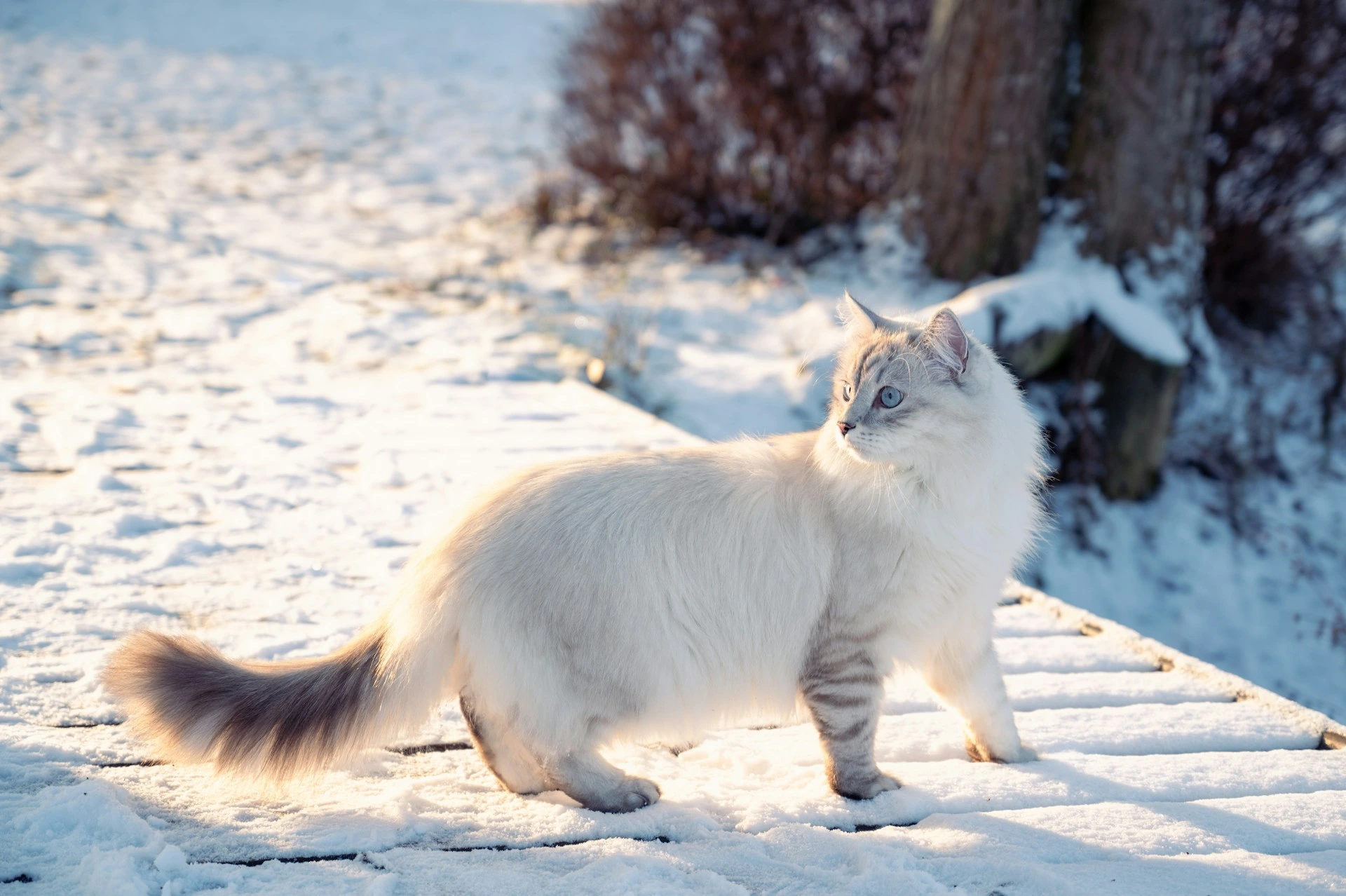
Cats have a reputation for being independent, but our feline friends are often much more sensitive than they let on. A new visitor, a loud noise, a schedule change, or even an unfamiliar pet can send your kitty scurrying under the bed faster than you can say ‘treat time.’ At Animal Hospital of Ludington, your Ludington, WI animal clinic, we know that helping an anxious cat feel safe and comfortable starts with understanding how our whiskered pals see the world.
Anxiety in cats can appear in subtle ways, and many stressed felines quietly struggle long before owners realize something is wrong. From signs of anxiety in cats to calming stressed cats at home, small environmental adjustments and supportive routines can help your furry friend feel more secure and confident. Learning simple ways to comfort nervous cats can improve both behavior and overall emotional well-being.
Cats Often Hide Stress Extremely Well
Unlike their canine counterparts, cats are masters of subtlety when it comes to stress. Instead of dramatic displays, many anxious kitties just get a little quieter, more withdrawn, or extra cautious.
Your feline companion may hide stress through changes such as:
- Hiding more frequently
- Reduced appetite
- Excessive grooming
- Avoiding social interaction
- Increased vocalization
- Litter box accidents
- Sudden irritability
Because cats are experts at hiding their feelings, signs of anxiety can easily be mistaken for quirky personality traits or just a case of the kitty grumps.
Even those little changes are worth paying attention to, especially if they stick around for more than a day or two.
1. Create Safe Spaces for Your Cat
One of the best ways to help a nervous kitty is to give them a predictable, quiet spot where they can retreat and relax without feeling trapped or overwhelmed.
Cats naturally feel safer when they have access to cozy hideouts or high-up perches. These spots let them keep an eye on their kingdom while still feeling safe and snug.
Your feline overlord may have a few favorite hideouts, such as:
- Covered cat beds
- Window perches
- Cat trees
- Quiet spare rooms
- Blanketed hiding spaces
Let your cat decide when they want attention, rather than trying to coax them out during stressful times.
This is extra important during big changes like moving, having visitors, bringing home a new pet, or when things get a little too noisy around the house.
Respecting Boundaries Builds Trust
Anxious cats feel braver when they get to call the shots. Chasing, picking up, or hovering over a nervous kitty can actually make things worse.
Instead, try sitting quietly nearby and let your furry pal come to you when they’re ready.
Sometimes, a few calm moments together do more to build your cat’s confidence than showering them with attention.
2. Keep Daily Routines Predictable
Cats are creatures of habit, and they thrive on consistency. Sudden changes to their routine can make them feel anxious, since our feline friends rely on familiar patterns to feel safe.
Feeding schedules, litter box placement, sleeping areas, and household activity all contribute to a cat’s sense of stability.
Helping an anxious cat often means keeping things as routine as possible, especially during stressful times.
Predictable Habits Help Cats Relax
Consistent routines may include:
- Feeding meals at similar times
- Keeping litter boxes in familiar locations
- Maintaining regular play sessions
- Providing predictable quiet time
Even little changes can throw sensitive cats for a loop, sometimes more than we realize.
Things like rearranging the furniture, having overnight guests, or changing your work schedule can all temporarily ramp up your kitty’s stress levels.
Your kitty might not be nearly as excited about your fabulous new living room setup as you are.
3. Use Play and Enrichment to Build Confidence
Mental stimulation and interactive playtime can help even the most anxious cats feel more secure and balanced.
Playtime gives cats a healthy outlet for their instincts. Think stalking, pouncing, climbing, and exploring. These activities help burn off nervous energy and boost your kitty’s confidence over time.
Interactive Play Helps Reduce Stress
Many cats enjoy activities such as:
- Wand toy games
- Puzzle feeders
- Climbing shelves
- Window watching
- Treat hunts
- Scratching posts
Short daily play sessions can help calm a stressed cat by channeling that anxious energy into fun, rewarding activities.
Interactive toys are also a great way to strengthen the bond between you and your feline friend, while encouraging positive playtime.
Environmental Stress Can Affect Cats More Than Expected
Cats are true creatures of habit, and even small changes in their environment can really throw them off.
Common stress triggers may include:
- Loud noises
- New pets
- Moving
- Visitors
- Construction sounds
- Changes in routine
- Conflict with other animals
Some cats get anxious over things we humans barely notice, like a new scent or a neighbor’s barking dog.
Your feline friend might suddenly start hiding because of a barking dog next door, a strange new smell, or a little drama between household pets.
Helping your cat feel less fearful often means playing detective and minimizing those stress triggers whenever you can.
Multi-Cat Households Sometimes Create Anxiety
Just because you have more than one cat doesn’t mean everyone is best friends. Some anxious kitties get stressed out by competition for resources or by feeling a little bullied by another pet.
Subtle tension between cats may lead to:
- Blocking access to litter boxes
- Staring contests
- Hiding
- Avoiding shared spaces
- Increased vocalization
Giving each cat their own resting spots, litter boxes, food bowls, and climbing spaces can help keep the peace and make everyone feel more comfortable.
Most cats feel safer when they can steer clear of conflict, rather than being forced to hang out together all the time.
Physical Health Problems Can Mimic Anxiety
Not all behavior changes are just about emotions. Sometimes pain, illness, or other medical issues can look a lot like anxiety.
A cat who’s not feeling well might hide more, avoid cuddles, get cranky, or have litter box mishaps.
Schedule a Visit To Your Ludington Vet If Your Cat Shows:
- Sudden behavior changes
- Appetite loss
- Excessive grooming
- Aggression
- Hiding for long periods
- Changes in litter box habits
Things like arthritis, dental problems, urinary issues, or other chronic illnesses can all add to your cat’s stress and cause changes in their behavior.
Since your furry bestie can’t tell you when something hurts, those little changes in behavior become extra important clues.
Punishment Usually Makes Anxiety Worse
Cats and punishment just don’t mix. Yelling, spraying water, or forcing interactions usually just makes them more scared and less trusting.
Helping an anxious cat works best when their world feels calm, predictable, and safe.
Positive reinforcement, patience, and gentle routines are the secret ingredients to helping anxious cats build confidence, one paw step at a time.
Even the most confident cats can get a little nervous during stressful times, so a little extra patience goes a long way.
Small Improvements Still Matter
Anxious cats don’t turn into fearless party animals overnight, and that’s perfectly okay.
Progress may look like:
- Spending more time outside hiding spots
- Eating more comfortably
- Playing again
- Relaxing near family members
- Exploring more confidently
Even small changes can be a big deal for a nervous kitty, so celebrate those little victories!
Your kitty doesn’t need to be the life of the party to feel safe and happy at home.
PetMD has an article on feline anxiety. Humane World wrote a good article about keeping indoor cats happy.
FAQ
What are common signs of anxiety in cats?
Signs may include hiding, excessive grooming, reduced appetite, changes in vocalizations, litter box accidents, irritability, or avoidance of interaction.
How can I calm a stressed cat at home?
Providing quiet, safe spaces, predictable routines, enrichment activities, and gentle interactions can help reduce stress in many cats.
Why is my cat suddenly hiding more?
Cats may hide because of stress, environmental changes, fear, illness, pain, or anxiety. Persistent hiding deserves veterinary attention.
Can moving or routine changes stress cats?
Yes. Cats often become anxious during environmental changes such as moving, schedule disruptions, visitors, or the introduction of new pets.
Should I force my anxious cat to socialize?
No. Allow anxious cats to approach people and new situations gradually at their own comfort level rather than forcing interaction.
Visit Our Ludington, MI Veterinary Clinic for Cat Behavior Support
Helping an anxious cat feel safer and more comfortable often starts with patience, predictable routines, and understanding how sensitive cats can be to stress and environmental changes. Small adjustments at home can help your feline companion build confidence and feel more relaxed over time.
Are you searching for a trusted vet near me or a caring veterinary clinic in Ludington, MI? Contact Animal Hospital of Ludington today to schedule a wellness visit for your feline friend. Our veterinary team can help evaluate behavior changes, discuss stress management strategies, and support your cat’s emotional and physical well-being.
This blog is intended for informational purposes only. Always consult your veterinarian for medical advice, diagnosis, or treatment recommendations for your pet and follow their professional guidance.
If you would like to learn more about our Ludington, MI, animal clinic, please visit our Services page for an overview. We offer a variety of top-notch veterinary care services, including Wellness & Vaccinations, Dentistry, Pain Management, and Emergency Care.