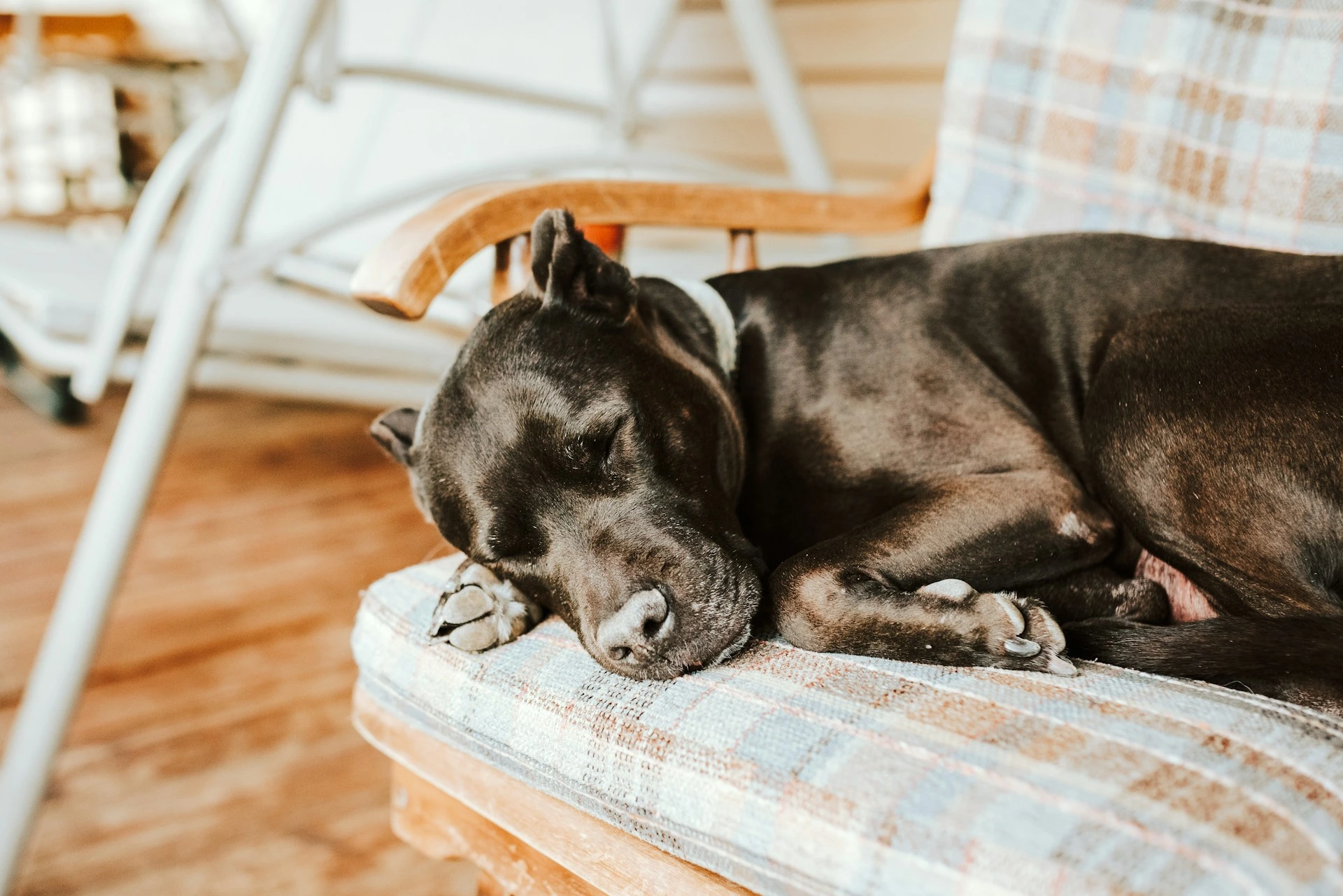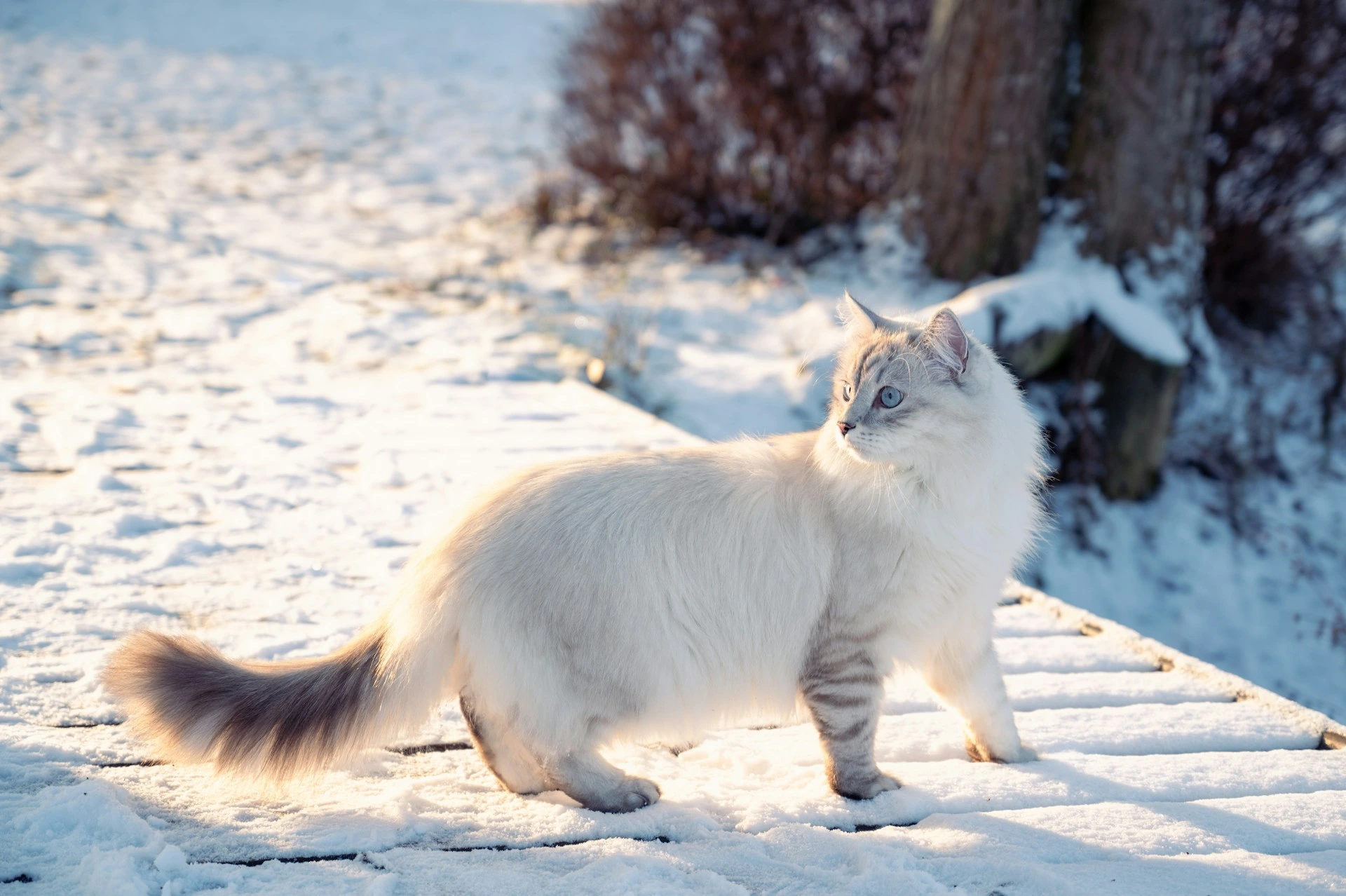
Crisp air, colorful leaves, football weekends, and cozy sweaters make fall a favorite season for many Michigan families, including plenty of four-legged family members. At Animal Hospital of Ludington, your Ludington, MI, veterinary clinic, fall pet safety tips help dogs and cats stay healthier and more comfortable as temperatures drop and seasonal hazards change. While autumn brings plenty of fun outdoor adventures, it also introduces risks that pet owners may not immediately notice.
From chilly breezes to tempting holiday decorations (and let’s not forget those mysterious mushrooms popping up in the yard), autumn can bring some sneaky surprises for our pets. Fall safety is about more than just snapping a photo of your pup in a plaid bandana at the pumpkin patch, though we fully support that, too! Keeping your furry friend happy and healthy this season means watching out for cold snaps, outdoor mischief, and any changes in their daily routine.
Cooler Temperatures Affect Pets Differently
If you’ve lived in Michigan for more than five minutes, you know fall weather can change its mind faster than a cat deciding where to nap. Those chilly winds and damp days tend to show up early, especially near Lake Michigan.
Some dogs absolutely love the cooler weather and suddenly act like they’ve had an extra shot of espresso as soon as the temperature drops. Others, especially our smaller pups, seniors, and short-haired friends, might not be quite as enthusiastic about chilly outdoor adventures.
Outdoor kitties will also be on the lookout for warm, cozy hiding spots as the temperatures dip, sometimes in places you’d never expect!
The key is to pay attention to your own pet’s comfort level. Just because one dog loves the cold doesn’t mean they all do. Every pet is unique, so keep an eye on how your furry friend is handling the chill.
Cold Weather Can Worsen Arthritis and Joint Pain
Senior pets often feel seasonal temperature changes more intensely than younger animals.
You might notice your dog moving a little slower on those brisk morning walks, hesitating at the stairs, or taking a bit longer to get comfy after a nap. Cooler weather can make arthritis, joint stiffness, and mobility issues more obvious for our senior pals.
Cats with arthritis may decide that jumping onto the couch just isn’t worth the effort, or you might notice them lounging around more than usual as the weather cools down.
Offering your pet a warm, snuggly bed and encouraging gentle movement can go a long way in keeping them comfortable as the temperatures drop.
If you notice your furry friend having more trouble getting around this fall, it’s a good idea to check in with your vet. We can help determine whether extra pain relief or other support would help them feel their best.
Autumn Decorations Can Create Hidden Risks
Festive fall decorations can make your home look great, but some of those pretty items can be a little too tempting for curious noses and paws.
Corn cobs, decorative gourds, candles, potpourri, string lights, and certain plants can all spell trouble if your pet decides to chew or swallow them. Choking and tummy troubles are no fun for anyone!
Cats, in particular, love to investigate anything that dangles or flickers. Think of them as tiny, furry home inspectors with a knack for mischief.
Dogs are also experts at sniffing out snacks left within reach during gatherings or holiday parties, sometimes before you even realize anything is missing.
Keep those decorations out of paw’s reach and keep an eye on your furry detectives to help prevent any accidental mishaps during your seasonal celebrations.
Seasonal Plants and Mushrooms May Be Toxic
Fall moisture and decaying leaves create ideal conditions for mushrooms to grow in yards, parks, and wooded areas throughout Michigan.
Wild mushrooms can be toxic to dogs and cats, even in tiny amounts. The tricky part is that it’s nearly impossible to tell which mushrooms are safe and which are dangerous, unless you’re a mushroom expert, and most of us aren’t!
Dogs are quick to snatch up mushrooms during backyard or trail adventures, sometimes before you even spot them.
Signs of mushroom toxicity can include vomiting, drooling, weakness, tremors, or neurological symptoms.
Keep a close eye on your furry friend when they’re outside, and try to remove any mushrooms you spot in the yard to help keep everyone safe.
Rodent Poisons Become More Common in Fall
As the weather cools, rodents start looking for cozy indoor spots, which means some folks turn to rodent bait to keep them out.
Unfortunately, rodenticides can be extremely dangerous for pets if accidentally ingested.
Dogs are especially at risk, since some of those bait products smell and taste pretty tempting to curious noses.
Even if your pet doesn’t eat the bait directly, snacking on a poisoned rodent can still be dangerous.
Keep an extra-close eye around garages, sheds, basements, and outdoor storage spots. These are common places for rodent bait and other autumn hazards to pop up.
If you think your pet might have gotten into rodent poison, call your vet right away.
Shorter Days Mean Reduced Visibility During Walks
With fall’s earlier sunsets, you might find yourself walking your dog in the dark more often. Morning and evening strolls can get a little dim this time of year.
Lower visibility means it’s a bit trickier for both you and your pet to stay safe near roads or busy spots.
Reflective collars, harnesses, and leashes are great for making sure you and your furry pal stand out on those darker walks. Flashlights or light-up accessories can also help drivers spot you both more easily.
Your dog might still think every leaf blowing across the sidewalk is a top-secret mission, so a little extra visibility goes a long way in keeping everyone safe during those dusky strolls.
Tick Activity Continues Through Fall
A lot of folks think tick season ends with summer, but those pesky critters stick around well into fall here in Michigan.
Leaf piles, wooded trails, and tall grass are still prime real estate for ticks, even when the weather cools down.
That means your pet can still pick up ticks—and the illnesses they carry—during all those fun fall adventures.
Keep checking your dog or cat after hikes, yard play, or walks in the woods. Pay special attention to areas like the ears, neck, paws, and the area under the collar. Ticks love to hide in those cozy places.
Keep up with your pet’s parasite prevention through the fall, unless your vet says otherwise.
Halloween Can Be Stressful for Pets
Halloween is a blast for us, but it can be downright confusing (and a little scary) for our pets.
All that doorbell ringing, strange costumes, loud noises, and a parade of visitors can be a lot for dogs and cats to handle.
Nervous pets might hide, bark, or meow more than usual, or even try to make a break for it during trick-or-treat time.
Setting up a quiet, cozy room away from the front door can help your pet feel safer and calmer while the Halloween festivities are in full swing.
Candy is another big concern. Chocolate and sugar-free treats with xylitol are especially dangerous for dogs.
Your furry pal might not get why those mini candy bars are off-limits, but trust us, it’s for their own good … even if they’re convinced otherwise.
Leaf Piles Can Hide Dangers
Dogs love nothing more than diving into a big pile of leaves, but those piles can hide sharp sticks, debris, mold, or even a critter or two.
Damp leaves can also cause itchy skin or upset tummies if your pet decides to snack on them during playtime.
Cats sometimes hide in leaf piles or under parked cars, making them tricky to spot before you move your vehicle.
Take a quick look around your yard or driveway before letting pets loose for playtime to help avoid any accidental bumps or bruises.
Hunting Season Requires Extra Awareness
Hunting season in Michigan means extra outdoor risks for pets, especially in rural or wooded areas.
Dogs exploring wooded trails or rural spots can sometimes wander farther than you’d like during hikes or outdoor adventures.
Bright, reflective gear helps your dog stand out if you’re out and about near hunting areas.
Good recall training and keeping your dog on a leash are extra important during hunting season.
Seasonal Routine Changes Can Affect Pets
Fall usually means new routines. School schedules, travel, holiday gatherings, and shorter days can all shake things up for your pet.
If your pet spent the summer soaking up the sun, they might suddenly find themselves with less to do once the cold weather rolls in.
Boredom and reduced exercise can contribute to:
- Restlessness
- Weight gain
- Barking
- Destructive behavior
- Anxiety
Keeping up with regular walks, indoor games, and interactive playtime can help your pet stay happy and healthy as the seasons change.
Indoor Heating Can Cause Dry Skin
When the heat kicks on indoors, some pets develop dry, itchy skin during the colder months.
You might notice your pet’s skin getting flaky, their coat looking a little dull, or more scratching as the indoor air dries out.
Regular brushing, good nutrition, and plenty of fresh water can help keep your pet’s skin and coat in tip-top shape all season long.
The ASPCA covered fall pet care on their website. The Oregon Veterinary Medical Association also covered autumn pet care.
FAQ
What are common autumn hazards for pets?
Common fall hazards include toxic mushrooms, rodent poisons, cold weather, Halloween candy, ticks, reduced visibility, and seasonal decorations.
Are ticks still active during fall in Michigan?
Yes. Ticks often remain active throughout fall, especially in wooded areas and leaf-covered environments.
How can I keep my pet safe during Halloween?
Keep candy secured, provide a quiet room away from trick-or-treat activity, and supervise pets around costumes and decorations.
Can colder weather affect pets with arthritis?
Yes. Cooler temperatures may worsen stiffness and discomfort in pets with arthritis or mobility problems.
Should pets continue parasite prevention during fall?
Many pets still benefit from parasite prevention during autumn because ticks and fleas may remain active in Michigan.
Visit Our Ludington, MI Veterinary Clinic for Seasonal Pet Care
Michigan fall weather brings beautiful scenery and fun seasonal activities, but it also introduces changing conditions and autumn hazards for pets. Following practical fall pet safety tips can help keep your furry friend healthier, safer, and more comfortable throughout the season.
Are you searching for a trusted vet near me or a caring veterinary clinic in Ludington, MI? Contact Animal Hospital of Ludington today to schedule a wellness visit for your canine companion or feline friend. Our veterinary team can help support seasonal pet care in Michigan with preventive care, wellness monitoring, and personalized health recommendations for every stage of life.
This blog is intended for informational purposes only. Always consult your veterinarian for medical advice, diagnosis, or treatment recommendations for your pet and follow their professional guidance.
If you would like to learn more about our Ludington, MI, animal clinic, please visit our Services page for an overview. We offer a variety of top-notch veterinary care services, including Wellness & Vaccinations, Dentistry, Pain Management, and Emergency Care.