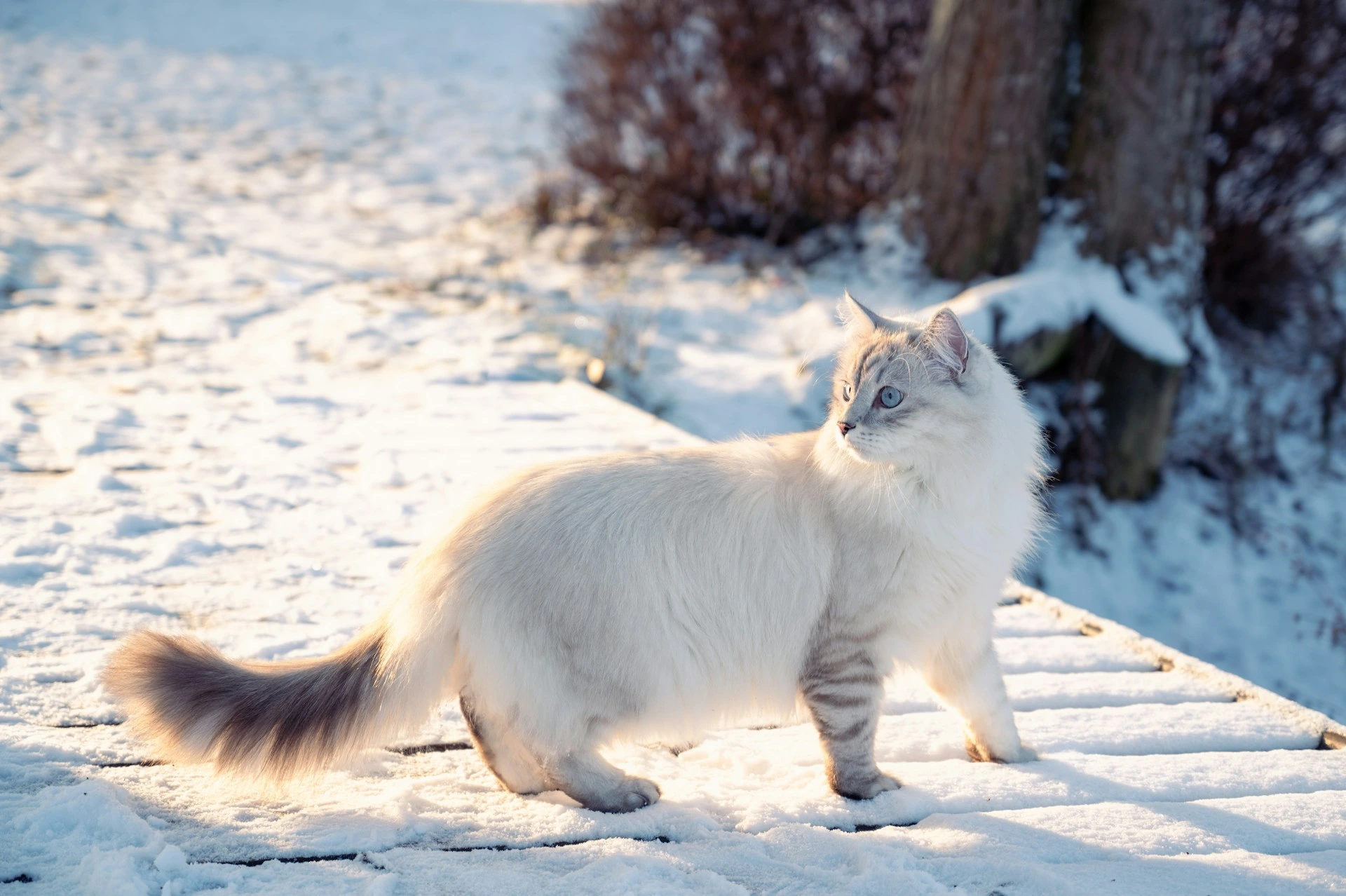
Michigan winters can be beautiful, but freezing temperatures, icy sidewalks, snowstorms, and dangerous wind chills create seasonal risks for pets. At Animal Hospital of Ludington, your Ludington, MI veterinary clinic, winter pet safety tips help dogs and cats stay healthier, safer, and more comfortable during the coldest months of the year. While some pets love bounding through fresh snow like furry little snowplows, others struggle with cold weather much more than owners realize.
Keeping pets safe in the cold takes more than just a cute sweater (though we do love a good doggy fashion statement). With a little planning and some simple precautions, you can help your furry pal avoid winter hazards and enjoy the season in comfort. Here are some tips to keep those tails wagging and whiskers twitching, no matter what Michigan weather throws our way.
Cold Temperatures Affect Pets Differently
Just like people, every pet handles winter a little differently. Some thick-coated breeds seem to think snow is the best thing ever, while our short-haired friends, seniors, puppies, and the little guys can get chilly faster than you can say ‘hot cocoa.’
Cats who spend time outdoors face additional risks from freezing temperatures, icy conditions, and harsh winds.
You might have one dog who dives headfirst into snowdrifts with pure joy, and another who does the classic ‘frozen sidewalk dance,’ lifting all four paws like the ground just turned into lava. Every pet is different!
Keep an eye on your pet’s comfort level. If they’re shivering or acting uncomfortable, it’s time to head inside for some snuggles. A little attention now can help you avoid bigger problems later.
Frostbite and Hypothermia Are Real Risks
Extended exposure to freezing temperatures can become dangerous for pets, especially during severe Michigan cold snaps.
Frostbite most commonly affects areas with less insulation, including:
- Ears
- Paw pads
- Tail tips
- Nose tissue
Hypothermia occurs when body temperature drops too low and may become life-threatening without prompt attention.
Watch for signs like shivering, weakness, confusion, or trouble walking. If your pet seems off, it’s best to get them warmed up and give us a call.
Limit outdoor time when it’s really cold out, especially for pets who are more sensitive to the chill. Sometimes, a quick potty break and back inside is the best plan.
Paw Protection Matters During Winter Walks
Snow, ice, and all that road salt can be tough on sensitive paws.
Salt and de-icers can dry out, crack, or irritate your pet’s feet. Plus, if your furry friend licks their paws after a walk, those chemicals can cause tummy trouble, or worse.
Give those paws a quick wipe after walks to remove any ice, salt, or chemicals before they cause problems.
Some dogs do well with protective booties in the winter, though don’t be surprised if your pup acts like they’ve forgotten how to walk the first time you try them on. It’s all part of the fun!
Trimming the fur between paw pads can help keep ice balls from forming and making walks uncomfortable.
Outdoor Pets Need Extra Protection
Never leave pets outside for long stretches in freezing weather unless they have proper shelter and you’re keeping an eye on them.
Outdoor shelters should block wind and moisture, and always make sure your pet has access to fresh, unfrozen water. Those bowls can turn into ice cubes in no time.
Even the most snow-loving dogs need a warm spot to rest and regular breaks indoors when winter gets especially harsh.
Outdoor cats sometimes crawl under cars or into engine compartments to find a warm spot. Give your car hood a tap before starting up to help keep curious kitties safe.
Antifreeze Is Extremely Dangerous to Pets
Antifreeze poisoning becomes more common in winter because leaks and spills increase in colder weather.
Unfortunately, antifreeze often tastes sweet to pets, making it especially dangerous for curious dogs and cats.
Even very small amounts may cause severe kidney damage or become fatal if not treated quickly.
Signs of antifreeze poisoning may include:
- Vomiting
- Weakness
- Wobbliness
- Excessive thirst
- Seizures
Clean up any spills right away and keep antifreeze and other automotive products safely out of paw’s reach.
If you think your pet may have gotten into antifreeze, call your nearest vet or us right away. Every minute counts.
Indoor Heating Can Create Other Problems
Indoor heating can dry out the air, which sometimes leads to itchy, flaky skin for our furry friends.
If you notice your pet scratching more, or their coat looking a little dull, dry winter air might be to blame.
Regular brushing, plenty of fresh water, and a good diet can help keep skin and coats healthy all winter long.
Pets love to curl up near fireplaces and heaters, but be sure to supervise them. Those cozy spots can get too hot and cause burns.
Your feline overlord may decide the warm laundry pile belongs exclusively to them until spring arrives.
Watch Out for Winter Weight Gain
It’s easy for pets to pack on a few extra pounds when outdoor adventures are limited by snow and ice.
Shorter walks and slippery sidewalks can mean less exercise for dogs during the winter months.
That’s why indoor games and enrichment are extra important this time of year.
Activities such as:
- Indoor training sessions
- Puzzle toys
- Hallway fetch
- Scent games
- Interactive play
These activities help keep your pet’s mind and body busy, even when outdoor time is short.
Keeping your pet at a healthy weight is one of the best ways to support their joints, mobility, and overall health year-round.
Senior Pets Often Struggle More During Winter
Cold weather can make arthritis and stiff joints even tougher for our senior pets.
Older dogs might move a little slower, hesitate on the stairs, or seem extra stiff after a nap. Senior cats may skip their usual leaps onto the couch and spend more time snoozing in warm spots.
Soft bedding, cozy sleeping spots, and gentle exercise can go a long way toward keeping your senior pet comfortable all winter.
If you notice your pet having more trouble getting around as the weather gets colder, let us know. We can help you find ways to keep them comfortable and happy.
Holiday Decorations and Seasonal Foods Create Risks
The holidays bring lots of fun, and a few extra hazards for our furry family members.
Tinsel, ribbons, ornaments, candles, cords, and festive plants can all spell trouble if your pet decides to chew or swallow them.
Rich holiday foods can upset your pet’s tummy or even cause more serious problems like pancreatitis, especially in dogs.
Your canine buddy may believe unattended cookies are a personal invitation, but many seasonal foods and decorations are not pet-safe.
A little extra supervision and quick cleanup can help you avoid holiday emergencies and keep everyone safe.
Snow Can Hide Dangerous Objects
Snow can hide all sorts of surprises: sharp ice, broken branches, or frozen debris that could hurt paws or legs.
Dogs can get so excited playing in deep snow that they tire themselves out before you know it.
Keep an eye on your pet during winter playtime to help prevent exhaustion, slips, and those sneaky hidden injuries.
Winter Travel Requires Extra Planning
If you’re hitting the road with your pet this winter, a little extra prep goes a long way.
Cold cars, icy roads, and travel delays can all add stress and risk for pets during Michigan’s winter storms.
Pack some emergency supplies for your pet, especially if you’re going on a longer trip.
Blankets, water, medications, and a little extra food can make all the difference if you get stuck or delayed by the weather.
Cats and Dogs Still Need Mental Stimulation in Winter
Boredom during the winter can lead to chewed-up shoes, extra barking, or restless nights for your pet.
Keeping your pet’s mind busy indoors is just as important as physical exercise, especially when it’s too cold to play outside.
Your furry bestie will love extra playtime, puzzle feeders, or indoor games when snowstorms cut short outdoor adventures.
Even a few minutes of enrichment each day can make a big difference for energetic pets during the winter.
The Red Cross has a great article on winter safety for dogs, which you can read. Cornell University has a piece on winter pet safety.
FAQ
What temperatures are too cold for pets?
Cold tolerance varies by breed, age, size, and health condition. Small dogs, short-haired pets, puppies, and senior animals often become cold much faster.
Can pets get frostbite during Michigan winters?
Yes. Frostbite can affect ears, paws, tails, and noses during prolonged exposure to freezing temperatures.
Why should I wipe my dog’s paws after winter walks?
Wiping paws removes salt, ice, and de-icing chemicals that may irritate skin or become harmful if licked.
Is antifreeze dangerous for pets?
Yes. Antifreeze is extremely toxic and may become life-threatening even in small amounts.
How can I keep my pet active during winter?
Indoor games, training sessions, puzzle toys, and short safe walks help support physical and mental activity during colder months.
Visit Our Ludington, MI Veterinary Clinic for Winter Pet Care
Michigan winters create unique seasonal challenges for pets, from freezing temperatures and icy sidewalks to changes in indoor heating and holiday hazards. Following practical winter pet safety tips can help protect your furry friend while supporting comfort, mobility, and overall wellness throughout the colder months.
Are you searching for a trusted vet near me or a caring veterinary clinic in Ludington, MI? Contact Animal Hospital of Ludington today to schedule a wellness visit for your canine companion or feline friend. Our veterinary team is here to help support your pet’s health during every season with preventive care, wellness monitoring, and personalized guidance for winter safety.
This blog is intended for informational purposes only. Always consult your veterinarian for medical advice, diagnosis, or treatment recommendations for your pet and follow their professional guidance.
If you would like to learn more about our Ludington, MI, animal hospital, please visit our Services page for an overview of our clinic. We offer a variety of top-notch veterinary care services, including Wellness & Vaccinations, Dentistry, Pain Management, and Emergency Care.